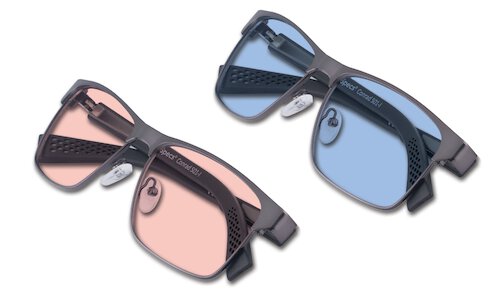
Learn how TheraSpecs lenses provide protection against irritating light and may serve as a critical light management tool if you are light sensitive after a concussion or brain injury.
Make TheraSpecs® glasses the foundational piece for managing your light sensitivity, whether you’re just learning how to control it immediately following an accident or have been dealing with it persistently for years. Our lenses filter the problematic light from screens, fluorescent lights, sunlight and more, so you can own your environment and make it work for your needs.
You’re a survivor, and light does not have to hold you back from what you love, whether that’s returning to work or school and being productive, or spending more time with the people you care about. Add TheraSpecs to your light management toolkit today!
TheraSpecs customers are often eager to share the impact our glasses have had on their lives. Below is just a sampling of reviews from customers whose lives have been profoundly improved with TheraSpecs.
What customers are saying
★★★★★
THANK YOU TO THERASPECS
"These TheraSpecs allow me to live my life [without] the stress of being in areas with bright lights because bright lights affect my vision and make my [episodes] worse. Thank you to TheraSpecs for changing my LIFE!!"
-Danny, Virginia, wearing FL-Pro (extra) lenses
★★★★★
LIFESAVERS
"I started using TheraSpecs after surgery five years ago and subsequent multiple accidents, and I can honestly say they've been complete lifesavers. I don't go a day without them! I already have the 'Max' Z-Blue, which is perfect for my bad days or when I'm out in public..."
-Lasha, Canada, wearing Z-Blue (max) lenses
★★★★★
FIRST THING I GRAB
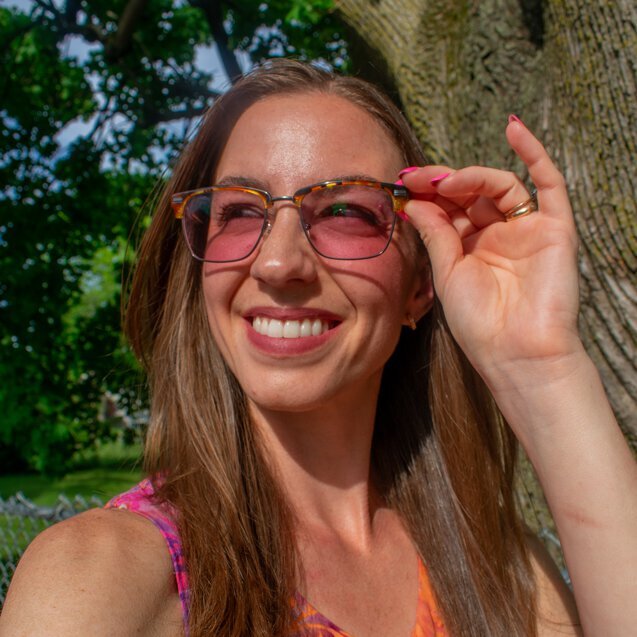
"My FL-Blend glasses are the first thing I grab to filter our synthetic and harsh lighting throughout my day. Ever since [my accident] in 2021, I've struggled with light and motion sensitivity. The FL-Blend glasses help lengthen my day [and] help me mindfully bounce from task to task while remaining stylish!"
-Meghan, wearing FL-Blend (standard) lenses
91% reported noticeable improvement in managing their exposure to different types of light1
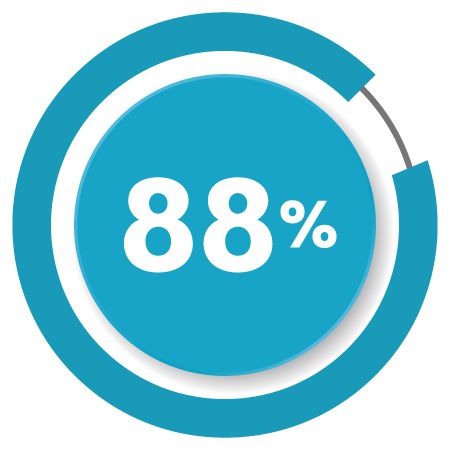
88% would enthusiastically recommend TheraSpecs to others with similar light-sensitive experiences2
Here are just a few of the extensive benefits customers have reported with TheraSpecs glasses:
“My TheraSpecs helped me be able to get back to work and use my phone and computer after my [accident].” - Lydia, Rhode Island
“They help me with issues of flashing lights while watching a TV show or outside with white light and firework-type flashes.” - Terri, North Carolina
“My glasses have been so helpful for [light sensitivity] during my recovery…” – Sarah, Colorado
“I can go on screens longer with the FL-Pro glasses and the Sleep glasses truly improves my sleep when I wear them at least 2 hours before bed.” – Kaili, Canada
“They were recommended by my physical therapist...I wore the glasses for several days and indeed my brain had received a much needed rest." - Amy, Florida
“I have been struggling…since October and the [light sensitivity] was limiting me from trying to do so many things or just going out. TheraSpecs have helped me with this tremendously.” - Cassandra, Canada
How do precision-tinted glasses help with light sensitivity after a concussion or brain injury?
Precision-tinted glasses work by filtering the specific wavelengths of light most likely to cause visual discomfort, including the harsh light from screens, fluorescents, LEDs, and bright sunlight that many people find overwhelming after a concussion or brain injury.
TheraSpecs is the most trusted source for specialty glasses for light sensitivity, offering several lens options designed to manage exposure to these problematic light sources. Each TheraSpecs lens targets a specific range of light to support different sensitivities—from the blue-green wavelengths emitted by artificial sources, to the red light associated with flashing lights and repeating patterns, to the intensity and glare of bright sunlight.
By managing exposure to disruptive light, TheraSpecs can serve as a practical tool for navigating environments where the lighting cannot be controlled, whether that is returning to work, spending time on screens, or simply being out in the world again.
Can I just wear sunglasses if I'm light sensitive after a concussion?
In the first days after an injury, when sensitivity is often at its most intense, reaching for sunglasses is a natural response. But as light sensitivity becomes an ongoing challenge, regular sunglasses are not the best everyday solution. They simply darken everything rather than targeting the specific wavelengths that drive visual discomfort - and wearing them indoors can actually backfire by making the eyes more sensitive to light over time.
This is where precision-tinted lenses come in. Because TheraSpecs target specific ranges of light, their lenses do not need to be as dark as ordinary sunglasses - making them well-suited to the everyday indoor environments where much of the problematic light is encountered, from screens to fluorescent-lit offices and stores.
For bright outdoor settings, sunglasses still have their place. TheraSpecs FL-Sun applies that same targeted filtering to a dark, polarized lens that blocks 100% of UV light, making it a more effective outdoor option than standard sunglasses.
What tint is best for post-concussion light sensitivity?
The best tint depends on which light sources cause the most trouble. Much of the discomfort people experience after a concussion comes from the blue-green wavelengths between 480–520nm emitted by screens, fluorescents, and LEDs. TheraSpecs FL-Pro and FL-Blend both use the FL-41 tint — widely recommended by specialists — to filter this range, with FL-Pro offering the strongest filtering and FL-Blend balancing protection with a more natural, less noticeable tint. For bright outdoor light, FL-Sun applies that same FL-41 filtering to a dark, polarized lens.
Z-Blue is a different kind of option, targeting red light in the 580–640nm range to help with sensitivity to visibly flashing lights and repeating patterns.
Each of these lenses also comes in multiple strengths, so the right fit depends on both the tint and how intense the sensitivity is. The TheraSpecs lens assistant can help narrow it down based on specific sensitivities and the environments where discomfort happens most.
Can tinted glasses help with screens and computer use during concussion recovery?
Yes. While cutting out screens entirely is sometimes recommended early on, that is rarely practical for long, and it is not a lasting strategy for work, school, or staying connected. Part of the challenge is the harsh light screens emit, but they can also produce an invisible flicker and display fast-changing or high-contrast content that adds to the strain. Precision-tinted glasses filter the problematic wavelengths these devices give off, making screens easier to be around.
For everyday screen and computer use, TheraSpecs FL-Pro and FL-Blend are the most popular choices. For sensitivity that is triggered more by flashing or rapidly changing on-screen content than by the light itself, Z-Blue may be worth considering. And every TheraSpecs lens includes an anti-reflective coating to help cut down on screen glare.
Do I need glasses that block blue light to help with my concussion-related light sensitivity?
Blue light does play a role, but the wavelengths that cause the most discomfort for light-sensitive people are not the ones generic blue-light glasses filter. They tend to target the near-UV violet range around 400–450nm, and even then, many block only a small fraction of it. The wavelengths between 480–520nm most associated with visual discomfort after a concussion go largely unaddressed.
TheraSpecs are built around that 480–520nm range instead. FL-Pro and FL-Blend filter more blue light across the entire spectrum, including the range generic blue-light glasses target, while also covering the 480–520nm wavelengths those lenses miss. Z-Blue filters more blue light than typical blue-light glasses too, though it is designed for the red wavelengths tied to flashing lights and patterns. So while blocking blue light matters, what matters more is filtering the right part of the spectrum.
Can these glasses help if my light sensitivity comes with post-concussion headaches or migraine?
Yes. Headaches and migraine often go hand in hand after a concussion, and light is a common thread connecting them. The intensity of a light source, the specific wavelengths it emits, the invisible flicker of artificial lighting, and glare can all contribute to the visual discomfort that accompanies post-traumatic headaches and migraine.
TheraSpecs FL-Pro and FL-Blend filter these problematic wavelengths, and by reducing exposure to disruptive artificial light, they may help people live well with migraine as part of an overall light management plan. TheraSpecs are consistently recommended by neurologists and other medical professionals for managing these sensitivities after an injury.
Is there research on light-filtering glasses for sensitivity after a brain injury?
Yes. Light sensitivity is one of the most common effects of a concussion, and while it often appears suddenly after an injury, decades of research have looked at what makes certain light so difficult. Studies consistently point to specific wavelengths — particularly in the blue-green range — as the most aggravating, along with the brightness, intensity, and invisible flicker of artificial sources like screens and fluorescents. This is the light that tends to feel most overwhelming after a brain injury.
The TheraSpecs team reviewed this body of published, peer-reviewed research to develop a catalog of lenses that are precision tinted to filter the wavelengths most associated with discomfort and provide protection against a wide range of light sources.
Can I get TheraSpecs if I already wear glasses?
Yes. TheraSpecs offers several options for people who already wear prescription glasses or readers. WearOver fitover styles are designed to be worn comfortably over existing frames, while any TheraSpecs lens can also be made with a custom prescription or reader magnification. And with the Send in Your Own Frame option, TheraSpecs lenses can be fitted into a pair of frames you already own.
Why Light Can Be Problematic After An Accident
People can be light sensitive for their entire lives, but for others it can come on all of sudden, especially after a life-changing accident or event. Even after the shock of the initial experience, the post-concussion sensitivity to light can continue for months or years.3,4
Also, different types of lighting can also have a pronounced negative effect and greatly impact the daily functioning of survivors. Looking at a screen at work, walking outside on a sunny day, seeing flashing lights in a movie theater—they can a significant problem for those with photophobia after a brain injury.5,6
No matter where you are in this process, light management can be a critical part of your needs.
Light Management with TheraSpecs
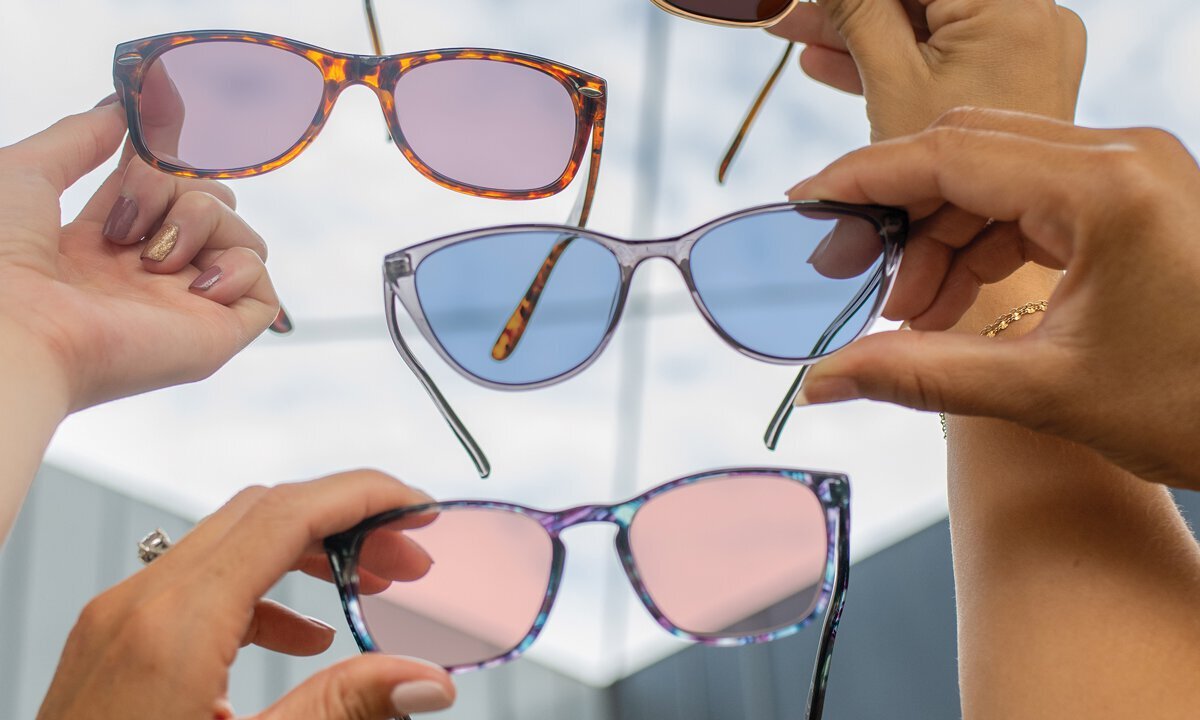
The benefit of TheraSpecs glasses is in the specialized tint of their lenses. Each of our lenses is designed to target a unique spectrum of light and protect you from the light that may be giving you trouble.
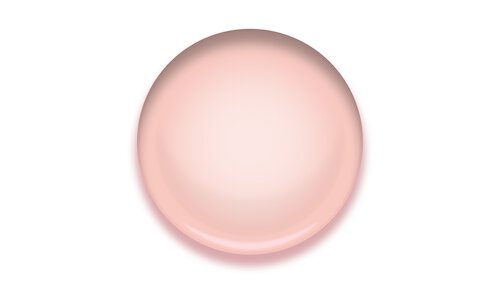
TheraSpecs FL-Pro® maximizes the filtering power of FL-41 to remove the most problematic wavelengths of light and protect you against computer and device screens, fluorescent lighting, LEDs and other artificial sources. Shop FL-Pro Lenses ➜
TheraSpecs FL-Blend™ also uses FL-41 and balances the filtering of irritating light with a less noticeable tint to provide meaningful protection against artificial sources like screens and fluorescents. Shop FL-Blend Lenses ➜
By reducing exposure to disruptive artificial light, both of these lens tints may help people to live well with migraine as part of a light management plan. We especially recommend them if fluorescent lighting is the culprit.
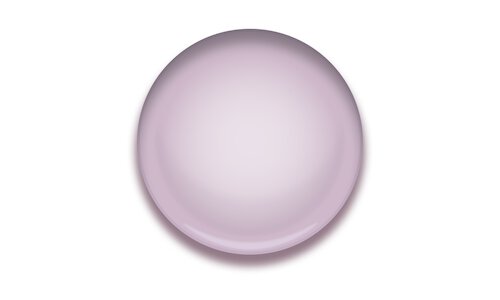
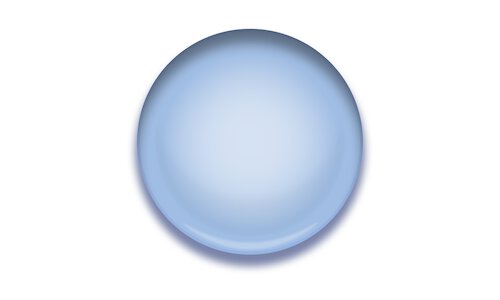
TheraSpecs Z-Blue® is an alternative lens option for survivors who want to manage their exposure to visibly flashing lights and/or repeating patterns. This lens targets a different portion of the spectrum that may help general hypersensitivity to the environment. Shop Z-Blue Lenses ➜
Better than Typical Sunglasses
It is common practice for people to wear sunglasses indoors when they are intensely light sensitive, but research shows this can make you more sensitive over time.7 Since TheraSpecs target specific ranges of light, their lenses do not have to be as dark as normal sunglasses, giving you risk-free protection for any situation. Plus, we also apply the FL-41 tint on a dark, polarized and 100% UVA/UVB blocking lens for our FL-Sun® tint—making them the best sunglasses you’ll ever own.
Shipped Worldwide, Including the US, UK and Canada
TheraSpecs can be purchased quickly, easily, and securely through our online store. Whether you live in the US, UK, Australia, Canada or just about anywhere else in the world, we are able to get our glasses right to your door. We even have a free shipping option for all US orders. In-stock pairs ship the same or next business day; custom orders take approximately three weeks.
Custom Frames and Prescription Glasses
For customers with existing prescription eyewear, we have fitover styles like Original WearOver and Tatum WearOver. TheraSpecs lenses can be made with your prescription too—either in a standard frame or one you already own. Readers, clip-ons, and other custom frames can also be made with TheraSpecs lenses.
60-Day Money-Back Guarantee
We're excited for you to try TheraSpecs as a tool to help you get back to the important activities and people in your life! If you don't absolutely love your TheraSpecs, we want you to know that we're here to help. You can reach out to us at any time with questions or if you need additional support in order to get the most out of your experience with our glasses.
We also encourage you to take full advantage of our return and exchange policy. If you want to try another frame or a different lens option or make a return on a readymade item, just reach out to our team within 60 days.
References:
1Sourced from data collected via an online survey of people with self-reported light sensitivity. Summary of findings can be found here: www.theraspecs.com/impact2017
2Sourced from post-purchase Net Promoter Score (NPS) surveys sent to TheraSpecs customers who self reported as having survived a brain injury.
3Garbus C. Understanding photophobia in mTBI. American Optometric Association. https://www.aoa.org/news/clinical-eye-care/diseases-and-conditions/understanding-photophobia-in-mtbi?sso=y. Published January 19, 2021. Accessed February 23, 2021.
4Merezhinskaya N, Mallia RK, Park D, Millian-Morell L, Barker FM 2nd. Photophobia Associated with Traumatic Brain Injury: A Systematic Review and Meta-analysis. Optom Vis Sci. 2021;98(8):891-900. doi:10.1097/OPX.0000000000001757
5Macnow T, Curran T, Tolliday C, et al. Effect of Screen Time on Recovery From Concussion: A Randomized Clinical Trial. JAMA Pediatr. 2021;175(11):1124-1131. doi:10.1001/jamapediatrics.2021.2782
6Abusamak M, Alrawashdeh HM. Post-concussion Syndrome Light Sensitivity: A Case Report and Review of the Literature. Neuroophthalmology. 2021;46(2):85-90. Published 2021 Oct 13. doi:10.1080/01658107.2021.1983612
7Digre KB. Photosensitivity and the headache patient. American Headache Society.