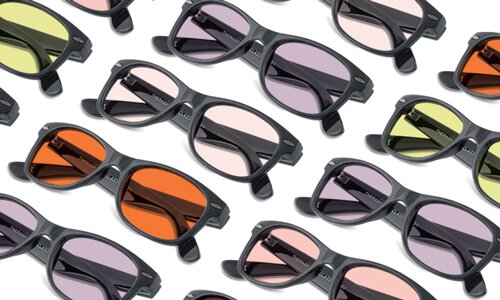
Learn about the wide range of lens options that TheraSpecs offers to protect you from unwanted blue light, whether you simply need something to wear while looking at your screen or want advanced defense for more intense light sources.
TheraSpecs® offers a wide range of light-filtering glasses designed to reduce harsh blue light. We have lens options that are designed to give you protection against blue light from screens, LEDs and fluorescents; TheraSpecs may also help if you are generally sensitive to light, and they may help improve your sleep if that is a concern. When compared with typical clear- or nearly-clear blue light glasses that only focus on a narrow spectrum of blue wavelengths, TheraSpecs filter more across a wider spectrum, so you can stay protected from light wherever you go.1
TheraSpecs customers say that our glasses outperform the competition. For example, they rated TheraSpecs FL-Pro glasses as 3X more likely to help with light sensitivity management when compared with other blue-light filter eyewear they tried, according to our survey.2
In addition, TheraSpecs customers have shared that they purchased our glasses for:
★★★★★
CALMED EVERYTHING
"I have the FL Blend lens in the Audrey frame, and I think these are so cute. I bought super cheap blue light [glasses] on Amazon…and they did nothing, and I could definitely tell the difference with these. I feel like they just kind of calmed everything down."
-Natalie, Tennessee, wearing FL-Blend (standard) lenses
★★★★★
A GAME CHANGER
"If I were to compare these TheraSpecs glasses to other blue light glasses, I would say it helped about 25-30% better, which is a game changer for me because I stare at a computer all day. And my eyes just honestly feel smooth."
-Sean P., Canada, wearing FL-Pro (extra) lenses
★★★★★
HELP ME UNWIND
"TheraSpecs sleep glasses really help me unwind - shielding out harsh [blue] lighting and ushering in rest. I put them on 2-3 hours before bed as I tidy up around my house, shut my electronics off, sip tea, and read...I love that my glasses are a part of this evening routine."
-Meghan, New Jersey, wearing Sleep lenses
How do TheraSpecs blue light glasses help with screen-related light sensitivity?
TheraSpecs are precision-tinted to filter targeted bands of blue light that actually cause discomfort, rather than the narrow slice most clear or nearly clear blue-light glasses attempt to block. In particular, the range between 480-520nm, emitted by screens and artificial sources, can be the harshest for people who are already sensitive to light, and other wavelengths (especially around 450nm) can bother your eyes too. Even if you don't identify as light sensitive, these wavelengths can make screen exposure bothersome for almost anyone.
TheraSpecs uses a variety of precision tints to target key parts of the blue spectrum, including several with FL-41 that address the most irritating range between 480-520nm, whether the source is a screen, fluorescent lighting, or the sun. Since the filtering is stronger and more targeted throughout the blue part of the spectrum, it provides more protection from light than a clear lens.
Do TheraSpecs precision-tinted blue light glasses actually work?
Yes. TheraSpecs precision-tinted glasses filter substantially more blue light, including the most harmful wavelengths, than clear or nearly clear lenses do. This enhanced filtering translates to better protection: in a survey of light-sensitive customers who had tried both, they rated TheraSpecs FL-Pro three times more likely to help manage their light sensitivity than other blue light glasses they'd tried.
How much blue light do glasses need to block to make a difference?
It depends on your sensitivity level and the specific range of blue light that is causing the most problems. This is why TheraSpecs offers several tints and strengths rather than one universal tint, like the following:
FL-Pro® (available in 3 strengths): offers the strongest FL-41 protection for blocking the most irritating blue light (480-520nm) from digital device screens and artificial sources
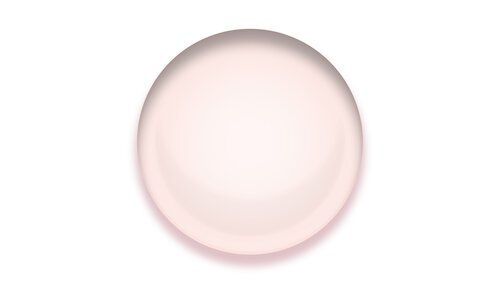
FL-Blend™ (available in 2 strengths): balances FL-41 protection against the harsh blue light (480-520nm) of screens and other sources with more natural color perception
Flex(available in 2 color options): uses a lighter FL-41 tint for mild sensitivity, screen use, and environments where a more subtle lens is preferred
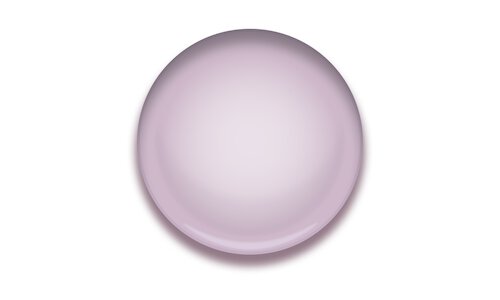
Sleep: removes 100% of blue light below 520nm to help promote healthier sleep when worn before bedtime
Contrast HEV™: filters blue light below 455nm, which may bring greater visual contrast and comfort for screens and bright light
Since the right amount of filtering really is personal, the TheraSpecs lens assistant walks through a few questions and points you to a specific tint and strength instead of asking you to guess.
Does blue light exposure from fluorescents or LEDs matter as much as screens?
Yes, and for some people even more so. Both fluorescent lighting and LEDs emit an invisible flicker that's more pronounced in the blue part of the spectrum, and this isn't limited to overhead lighting. Unless your screen has an LED backlight or is OLED, it's likely lit by a small fluorescent tube internally, so the same flicker can be coming from your monitor too.
TheraSpecs FL-Pro, FL-Blend, and Flex filter the wavelengths that are most irritating regardless of whether the source is a monitor, an overhead office light, or LED lighting at home, so switching environments during the day doesn't mean losing protection.
If office lighting is a bigger issue for you than your screen, FL-Pro features the strongest protection and reduces the impact of the flicker as well as the brightness, making it a good starting point.
What's the difference between TheraSpecs and clear blue light glasses?
Clear blue light glasses typically use a coating that reflects a narrow slice of blue light off the lens surface. TheraSpecs lenses instead use a tint to absorb light across a much wider range, including the wavelengths that tend to cause the most issues for people with light sensitivity.
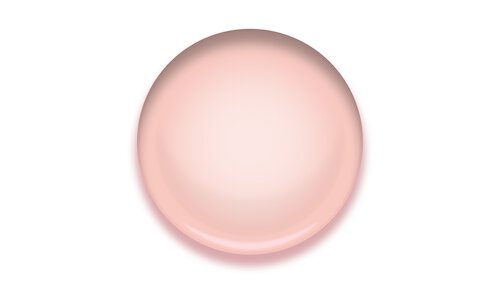
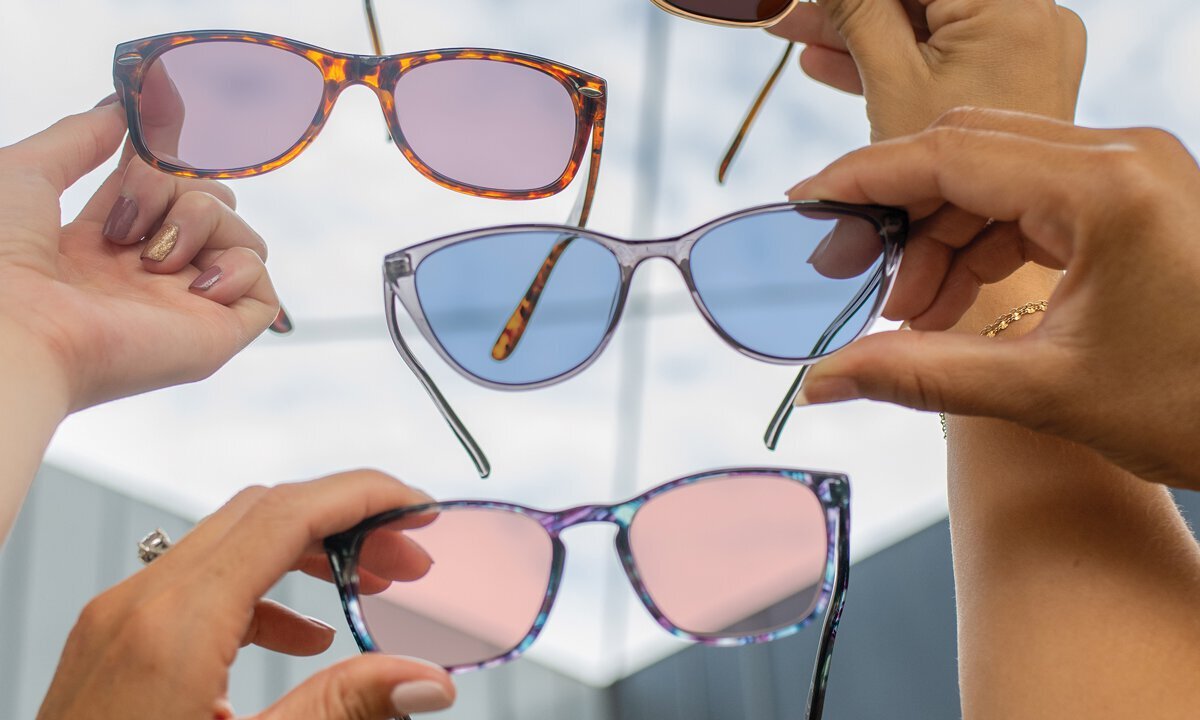
Several TheraSpecs lenses use FL-41 for this. If natural color perception matters most to you, FL-Blend uses FL-41 while balancing filtering with a more neutral tint. Flex uses the lightest tint for people who want something minimal, while FL-Pro's tint is noticeably rose-colored and delivers the strongest filtering.
Contrast HEV and Sleep address different concerns. Contrast HEV emphasizes contrast enhancement alongside blue-light filtering, while Sleep is designed to fully block all blue light to support sleep.
Since the filtering happens through the tint itself, colors will look a little different through a tinted lens than through a clear one, but that difference is what provides the added comfort: the tint is absorbing the wavelengths that tend to bother sensitive eyes. You'll still see the full range of colors, including blue, just shifted slightly, in every TheraSpecs lens except Sleep, which blocks blue light entirely.
Do precision-tinted blue light glasses help you sleep better?
Yes. Blue light in the evening can interfere with your body's natural signal to wind down. It's a bit like tricking your body into thinking the sun is still up, since exposure in the hours before bed has been linked to changes in melatonin production and sleep timing. Reducing that exposure is a reasonable part of an evening routine, though it works alongside other habits like dimming lights and stepping away from screens, not in place of them.
The TheraSpecs Sleep lens blocks all blue light rather than filtering a portion of it, preventing your brain from receiving this disruptive light. To get the full benefits from Sleep lenses, wear them two to three hours before bed.
Is there research behind precision-tinted blue light glasses?
Yes. There's a body of research spanning decades on how specific wavelengths of light affect people with light sensitivity, and much of it points to the 480-520nm range as especially problematic. Fluorescent lighting adds another well-studied piece: its flicker, concentrated in the blue range, is linked to headaches and eye strain on its own.
The TheraSpecs team reviewed this body of published, peer-reviewed research to develop a lens catalog that targets these specific wavelengths and provides the right protection against fluorescent light exposure.
This is why TheraSpecs has long been recommended by neurologists and light sensitivity specialists for managing light exposure.
Can I get TheraSpecs in my prescription, or wear them over my current glasses?
Yes, both. Our lenses can be made with a prescription, either in a TheraSpecs frame or in a pair sent in through the Send in Your Own Frame option. They can also be made as readers if you just need magnification.
TheraSpecs also offers WearOver styles that sit comfortably over your existing frames, so you can add the tint and protection you need without changing your everyday pair.
Blue Light May Affect You In Different Ways
Blue light is everywhere, but it is not just one wavelength of light that has a singular impact on us. It is an entire spectrum (400-500nm), with differing effects depending on the specific range and concentration of wavelengths and the person exposed to them.
For example, blue light near 480nm creates the strongest response for a person with photophobia, such as from migraine or post-concussion injury.3,4 Even a few seconds or minutes of exposure to these irritating wavelengths can be enough to cause problems, ranging from headaches, vertigo, eye pain, and more.5
And we cannot escape this type of blue light: fluorescent lights, LEDs, computer and device screens, and sunlight. Plus, people who are generally sensitive to light can be extra sensitive to the invisible flickering of fluorescent lighting and some LEDs, and this flickering is more prominent in the blue spectrum.5
Other points along the blue light spectrum also have negative consequences. Screen use can subject us to blue light in the 440-470nm range, which can lead to visual discomfort and other problems, even for a person without light sensitivity. Managing exposure to blue light has also been recommended for general eye health.6 Even our sleep can be disrupted by blue light, particularly when exposed in the hours before you go to bed.7
All of this makes managing blue light exposure a necessary activity for so many people.
TheraSpecs for Blue Light Management
TheraSpecs offers several lenses designed to address each of these unique situations where blue light may be problematic:
TheraSpecs Flex™ is our recommended option for the light management toolkits of people who are mildly light sensitive and/or experience screen-induced discomfort. These barely-there tints provide protection in a subtle lens and blocks significantly more blue light compared to other clear or nearly clear glasses marketed for screen use. Shop Flex Lenses ➜
TheraSpecs FL-Pro® maximizes the filtering power of FL-41 to filter the problematic wavelengths of blue light near 480nm and protect you against computer and device screens, fluorescent lighting, LEDs and other artificial sources. Shop FL-Pro Lenses ➜
TheraSpecs FL-Blend™ also uses FL-41 and balances the filtering of unwanted blue light with a less noticeable tint to provide good protection against artificial sources. Shop FL-Blend Lenses ➜
We recommend both FL-Pro and FL-Blend for stronger light sensitivity. They also help further protect against fluorescent lights and LEDs by cutting down on the wavelengths where these sources emit an invisible flicker.8 By filtering the most irritating wavelengths, these lenses can also help people to live well with migraine, as part of an overall light management plan.
TheraSpecs Sleep lens blocks 100% of blue light, which may affect sleep patterns and melatonin production. Wear them for 2-3 hours before your bedtime to maximize your protection in the evening. Shop Sleep Lenses ➜
TheraSpecs Contrast HEV™ filters the high-energy visible blue light that our eyes don’t focus well. As a result, this lens may provide better visual contrast for a wide range of situations. Shop Contrast HEV Lenses ➜
TheraSpecs Lenses:
✓
Filter specific wavelengths of blue light for different needs and lighting situations
✓
Protect against fluorescent, LED, and other artificial lighting
✓
Are great for numerous activities like gaming, shopping, watching TV, using the computer, and more
✓
Cut out more blue light when compared with typical clear or nearly clear blue light glasses1
Shipped Worldwide, Including the US, UK and Canada
TheraSpecs can be purchased quickly, easily, and securely through our online store. Whether you live in the US, UK, Australia, Canada or just about anywhere else in the world, we are able to get our glasses right to your door. We even have a free shipping option for all US orders. In-stock pairs ship the same or next business day; custom orders take approximately three weeks.
Custom Frames and Prescription Glasses
For customers with existing prescription eyewear, we have fitover styles like Original WearOver and Tatum WearOver. TheraSpecs lenses can be made with your prescription too—either in a standard frame or one you already own. Readers, clip-ons, and other custom frames can also be made with TheraSpecs lenses.
60-Day Money-Back Guarantee
We're excited for you to try TheraSpecs as a tool to help you get back to the important activities and people in your life! If you don't absolutely love your TheraSpecs, we want you to know that we're here to help. You can reach out to us at any time with questions or if you need additional support in order to get the most out of your experience with our glasses.
We also encourage you to take full advantage of our return and exchange policy. If you want to try another frame or a different lens option or make a return on a non-custom item, just reach out to our team within 60 days.
References:
1Visible light transmission by wavelength of TheraSpecs®, Warby Parker®, and Felix Gray®, as measured by TheraSpecs Company using f.luxometer software https://fluxometer.com/page/measure/
2Based on data collected via an email survey of TheraSpecs customers who self-identified as sensitive to light and had tried TheraSpecs as well as at least one other brand of blue light glasses.
3M. Tatsumoto, T. Eda, T. Ishikawa, M. Ayama, K. Hirata “Light of Intrinsically Photosensitive Retinal Ganglion Cell (ipRGC) Causing Migraine Headache Exacerbation.” IHC symposium OR3. 2013 June
5Wilkins AJ, Nimmo-Smith I, Slater AI, Bedocs L. “Fluorescent lighting, headaches and eyestrain.” Lighting Research and Technology 1989 March;21(3) 1 11-18
6Kim DJ, Lim CY, Gu N, Park CY. Visual Fatigue Induced by Viewing a Tablet Computer with a High-resolution Display. Korean J Ophthalmol. 2017;31(5):388-393. doi:10.3341/kjo.2016.0095
7Gladanac B, Jonkman J, Shapiro CM, et al. Removing short wavelengths from polychromatic white light attenuates circadian phase resetting in rats. Frontiers in Neuroscience. 2019;13. doi:10.3389/fnins.2019.00954.
8Wilkins AJ, Wilkinson P. A tint to reduce eye strain from fluorescent lighting? Preliminary observations. Ophthalmic Physiol Opt. 1991 Apr;11(2):172-5.