Glasses for Flashing Lights FAQ
How do precision-tinted glasses help with flashing lights and repeating patterns?
Flashing lights and repeating patterns are uncomfortable for a few different reasons: certain wavelengths of light are more disruptive to sensitive eyes than others, and the intensity of the flash, the contrast between light and dark, and the construction of the pattern all play a part.
Red and amber light between about 580 and 700nm is especially linked to discomfort from flashing and strobing. Blue-green light between about 480 and 520nm is what makes screens, fluorescent lighting, and other flickering sources so hard to tolerate, even when the flicker itself is too fast to see. Repeating patterns and stripes send a similar rapid, repeating signal to the eyes. That's why they can cause the same discomfort even without any visible flashing.
TheraSpecs offers various lenses that target those specific wavelengths, and the overall dimming helps too by softening the intensity of the light itself. Because flashing lights, screens, and outdoor glare each concentrate the problem in different ways, TheraSpecs developed a few different tints rather than one all-purpose lens. Every pair still blocks 100% of UVA/UVB light, includes an anti-glare coating, and comes in frame styles that block stray light from above and the sides.
Can TheraSpecs help with repeating patterns and stripes, not just flashing lights?
Yes. Stripes, checkerboards, and other repeating patterns bother sensitive eyes in much the same way flashing lights do, even though nothing is actually blinking.
That's because of how your eyes actually look at a pattern. Even when you think you're holding still, your eyes are constantly making small, rapid movements called saccades, or quick jumps from one point to another that happen automatically, without you noticing. As your gaze flicks back and forth across a repeating pattern, your eyes pick up that rapid, repeating contrast almost like a flashing light, even though the pattern itself never changes.
TheraSpecs' Z-Blue lens, which is recommended most often for flashing and strobing light, helps here too. By dimming and filtering the light overall, it softens the contrast the eyes pick up while scanning across a pattern, so that self-generated flicker feels less intense. That overlap is why one lens can address both flashing lights and repeating patterns rather than needing two separate solutions.
What tint is best for flashing lights and repeating patterns?
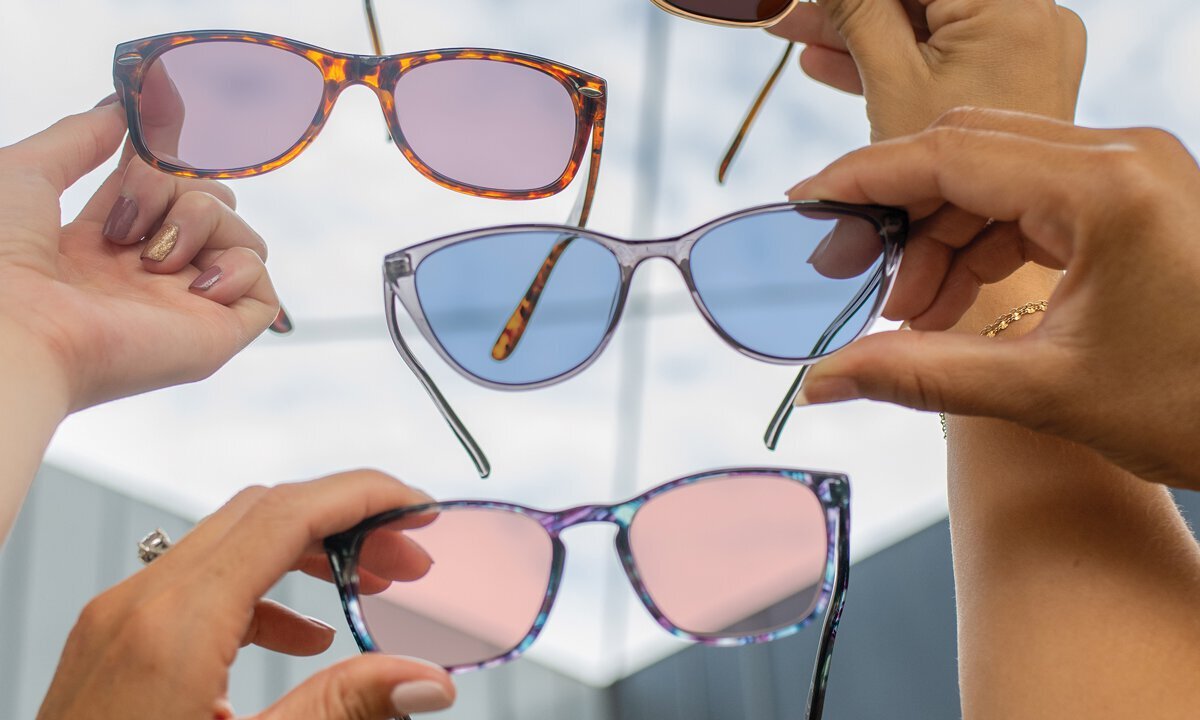
Which tint helps most depends on where the problem is coming from, and TheraSpecs offers three lens options for these types of sources:
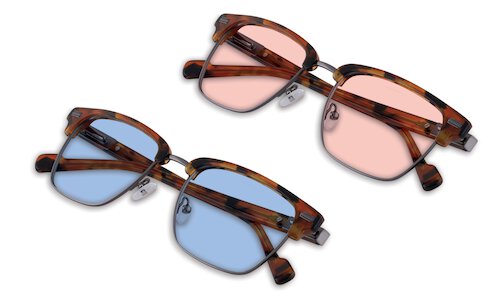
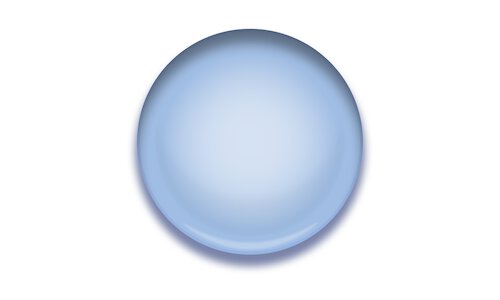
- Z-Blue: recommended for visibly flashing lights, strobes, and repeating patterns. Filters red and amber light between 580 and 640nm, which is why it appears blue rather than the rose or peach of TheraSpecs' other lenses. Available in three strengths.
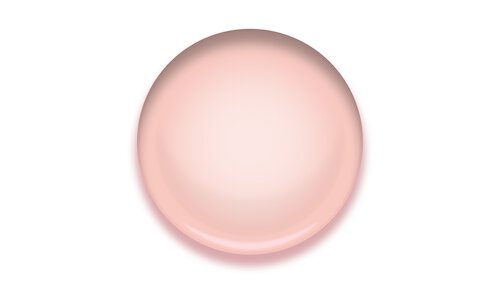
- FL-Pro: recommended for screens, fluorescent lighting, and other steady artificial light. Filters between 480 and 520nm in a rose tint. Available in three strengths.
- FL-Sun: recommended for outdoor light, including sunlight flickering through trees. Applies that same 480 and 520nm filtering to a darker, polarized lens that also cuts glare. Available in two strengths.
If you're not sure which tint fits your situation, the lens assistant can help narrow it down.
How strong should my lenses be for flashing lights and repeating patterns?
How strong a lens you need depends on how severe your sensitivity is and how intense the lighting is. Z-Blue and FL-Pro both have three strengths (Standard, Extra, or Max), and FL-Sun has two strengths (Dark+ or Ultradark+). Standard and Dark+ are usually the best fit for most people, but a stronger lens offers more filtering and may provide more comfort if you are especially sensitive.
The lens assistant asks about your environment and sensitivity, and recommends a specific lens and strength.
Can TheraSpecs help at concerts, in movies or TV, or around strobe lights?
Yes. A concert with stage strobes, a movie or TV scene with rapid flashing, and fireworks overhead all put out the same visibly flashing light that TheraSpecs' Z-Blue lens filters, which makes it the best starting point for most of these situations. Z-Blue Standard is enough for most everyday exposure, but the intense, high-contrast lighting at concerts and events is where stepping up to Extra or Max tends to make sense, especially if you are highly vulnerable to that kind of visual intensity.
If you are looking for everyday protection from screens, FL-Pro can be a useful alternative, while FL-Sun is worth considering for events outdoors in bright daylight.
Can precision-tinted glasses help with photosensitive epilepsy, migraine attacks, or seizures due to flashing lights?
Yes. Whatever's behind your sensitivity, whether photosensitive epilepsy, seizures, migraines or headaches, or something else entirely, flashing lights and repeating patterns create the same physical problem: specific wavelengths of light and rapid, intense repeating visual signals that overwhelm sensitive eyes.
TheraSpecs manage the light itself, not any particular cause, and reduce your exposure to the most harmful wavelengths and impacts of these sources. They also come in multiple strengths, from lighter everyday filtering to stronger options for more intense photosensitivity, to further customize to a person's needs.
Is there research on precision-tinted glasses for flashing lights and repeating patterns?
Yes. In fact, peer-reviewed research has looked at how flashing lights and repeating visual patterns affect people who are sensitive to light, and two separate wavelength ranges keep showing up. Studies on photosensitive epilepsy and related light sensitivity have identified red and amber light between 580 and 700nm as a key factor in flashing and strobing discomfort. Separately, research on light sensitivity more broadly points to blue-green light between 480 and 520nm as the range most linked to discomfort from screens, fluorescent lighting, and other non-visible flickering light.
Repeating patterns have their own research base: certain repetitive visuals have been shown to intensify a specific type of brain activity linked to visual overstimulation (sometimes called gamma oscillations), even in people without any diagnosed sensitivity.
The TheraSpecs team developed its lens catalog based on a review of this research. This includes lenses that use FL-41 to filter 480-520nm light, as well as Z-Blue, which addresses the 580-640nm range associated with flashing and strobing light. Also, TheraSpecs are frequently recommended by neurologists and other medical professionals for managing light and visual sensitivity.
Can I get TheraSpecs in my prescription, or wear them over my current glasses?
Yes, both. Our lenses can be made with a prescription, either in a TheraSpecs frame or in a pair sent in through the Send in Your Own Frame option. They can also be made as readers if you just need magnification.
TheraSpecs also offers WearOver styles that sit comfortably over your existing frames, so you can add the tint and protection you need without changing your everyday pair.
Given the significant impact of these types of environments, many people remain invested in managing the problematic light that they encounter.
Three lens options are available for managing flashing and strobing lights, disruptive patterns, and other challenging environmental:
is designed to provide optimal protection against harsh and/or flashing lights and repeating patterns. We recommend Z-Blue lenses for non-fluorescent photosensitivity (particularly Z-Blue Max strength if it is severe), as well as general visual hypersensitivity to the environment.
Shop Z-Blue Lenses ➜
may also provide protection against flashing lights or repeating patterns with its specialized FL-41 tint. Since 2012, our customers have told us they purchased these lenses to manage the problem wavelengths associated with light sensitivity and flashing lights.5 As it reduces exposure to this disruptive light, we particularly recommend FL-Pro be incorporated into a comprehensive light management strategy because it may help people to live better with migraine.
Shop FL-Pro Lenses ➜
embraces the benefits of FL-41 by applying the tint to dark, polarized lenses that filter more than 93% of problematic light.6 They may help manage sunlight flicker through trees to provide protection.
Shop FL-Sun Lenses ➜
Extra discounts are also available when you buy more than one pair. Plus, with multiple frame options available and the choice to send in your own frame, you can also make sure to find protection from flashing lights and repeating patterns that fits your style.