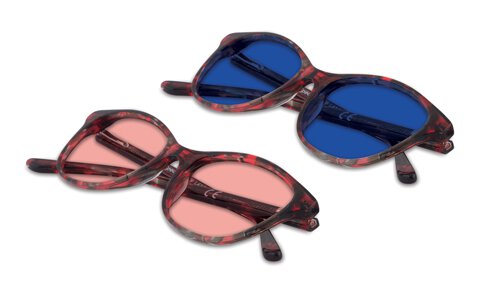
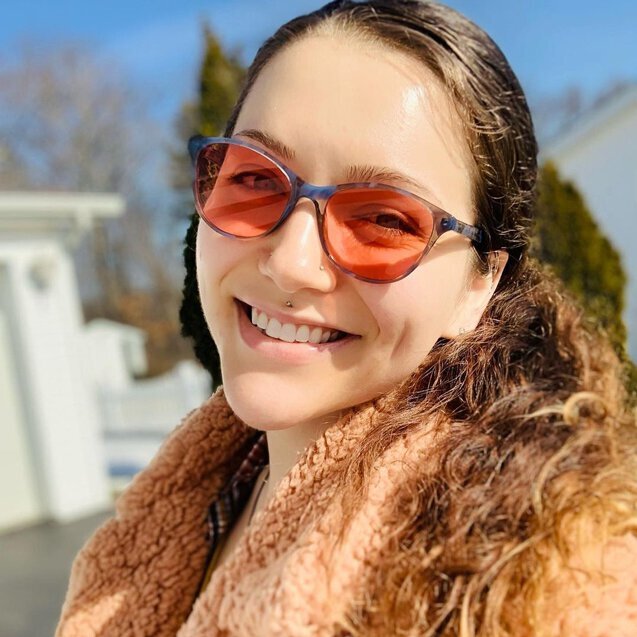
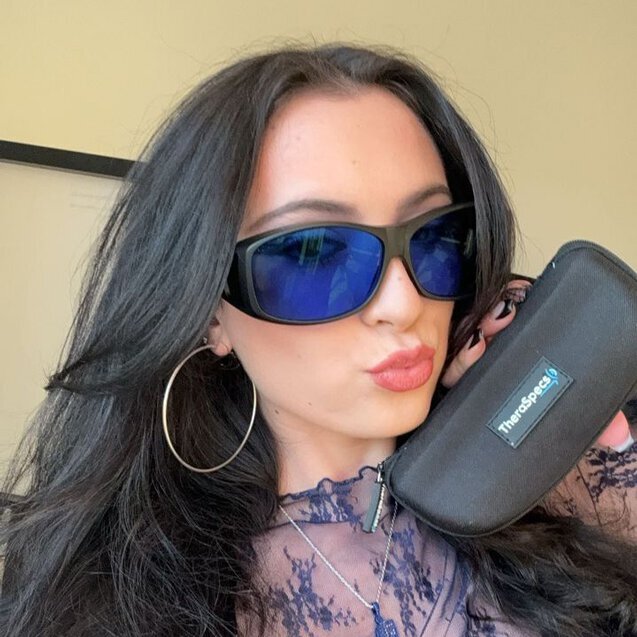
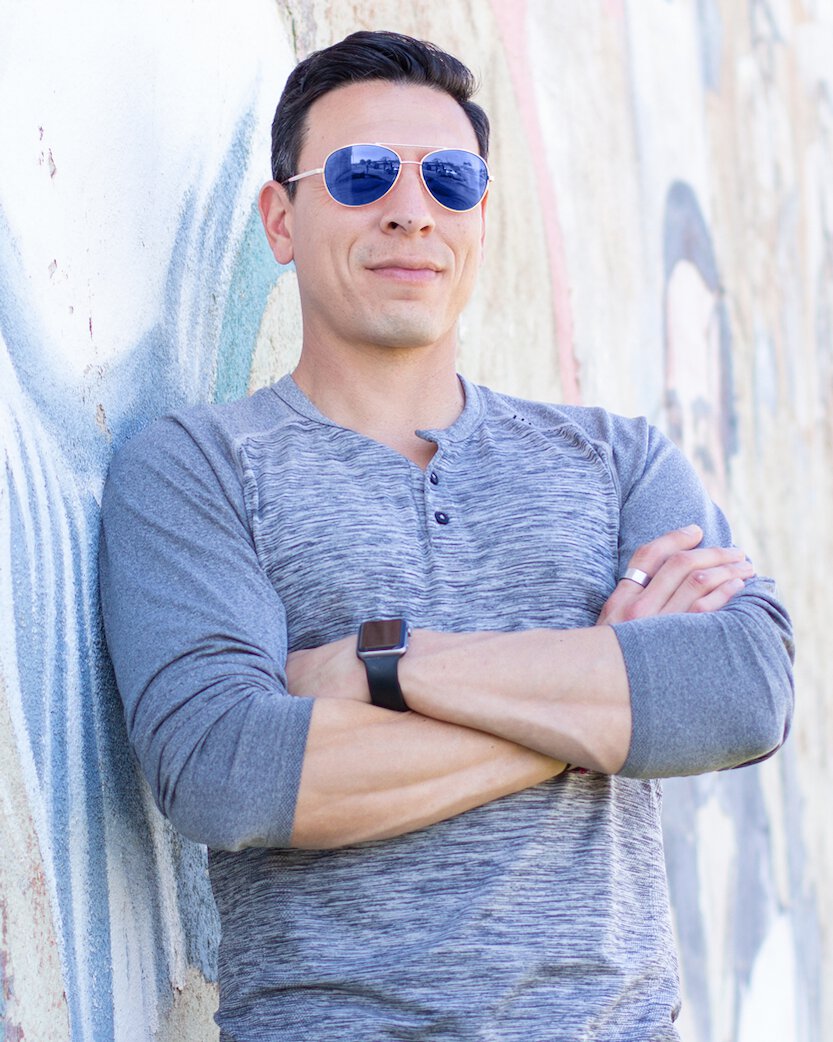
TheraSpecs lenses provide protection for photosensitive people against strobing and flashing lights as well as static patterns that may be disruptive.
TheraSpecs® glasses may be a welcome addition to your light management toolkit if you are photosensitive and/or experience extreme reactions to flashing lights or disorienting environments. Our lenses provide specialized protection against bright lighting, light sources that flicker, flash, and/or strobe, as well as repeating patterns that may be visually distressing. TheraSpecs can help you defend against these visual stimuli and experience light more confidently!
*TheraSpecs Z-Blue in max strength features substantially the same filtering properties and performance as Zeiss® Z1 lenses.
Reviews of TheraSpecs Glasses
We love hearing from our customers who use TheraSpecs to get back to what they love, whether it's going to a concert to enjoy their favorite band or just watching a movie without worrying about flashing lights. Here are some of our favorite reviews:
What customers are saying
★★★★★
I AM OBSESSED
"A fresh perspective: Nothing has given me more relief for my [photosensitivity] (not even my meds) than these glasses have. I am obsessed. #Grateful"
-Heather, New York, wearing FL-Pro (extra) Lenses
★★★★★
HELPED ME SO MUCH
"I have photosensitivity and sunlight flashing through trees is [an issue] for me, so being in the car can be very stressful. Wearing my outdoor TheraSpecs both in the car and in bright locations has helped me so much!"
-Anna, New Jersey, wearing FL-Sun (Dark+) lenses
★★★★★
SO GRATEFUL
"I was able to attend my first concert since my diagnosis, thanks to TheraSpecs. Now, I find myself saying yes to many more fun activities with my friends and family. I am so grateful to feel less isolated from social situations."
-Ginny, Virginia, wearing Z-Blue (max) lenses
Glasses for photosensitive epilepsy use specialized lens tints to filter the wavelengths of light most likely to cause disruptive visual experiences — particularly the flickering, strobing, and high-contrast patterns that can be overwhelming for photosensitive people.
TheraSpecs® is the most trusted source for specialty glasses for photosensitivity, offering several lens options designed to reduce exposure to these problematic light sources. Our Z-Blue lens, in particular, targets red light in the 580–640nm range and features substantially the same filtering properties as the Zeiss® Z1 lens.
Other TheraSpecs lenses, including FL-Pro and FL-Sun, use the FL-41 tint to cut out harmful light between 480-520nm—wavelengths that play a broader role in the onset of light sensitivities—and may help manage other lighting and environments.
What color tints are best for photosensitive epilepsy?
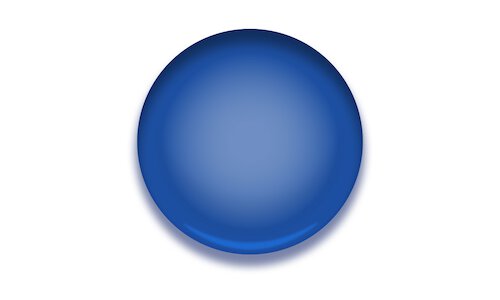
The best lens color depends on the lighting environment and level of sensitivity. For stronger photosensitivity — particularly to flashing or strobing lights, and disorienting patterns — a deep blue lens is often the most recommended starting point. The blue color is a natural result of what the lens filters: red and amber wavelengths in the 580–640nm range. TheraSpecs Z-Blue lenses use this approach and are available in three strengths, with max strength offering the most protection.
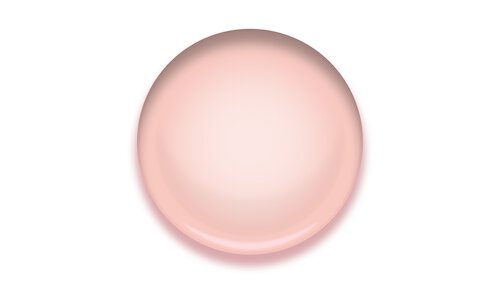
For people who are most sensitive to fluorescent lighting, screens, or sunlight, TheraSpecs offers a variety of lenses that use the rose-colored FL-41 tint to filter a different range of problematic wavelengths—between 480–520nm—and may be a better fit for those environments.
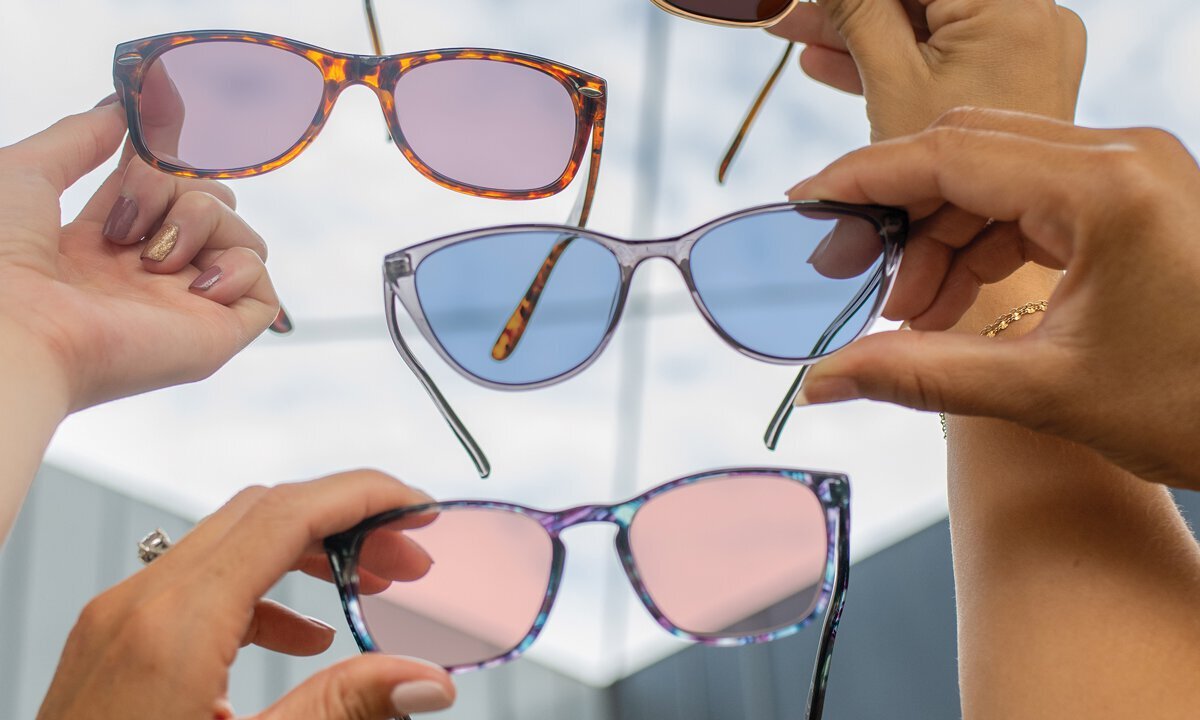
It is important to remember that photosensitivity glasses are more than just a color. While a generic blue or pink lens might look similar, it may not be blocking the harsh light that is causing the sensitivity.
Are blue lenses for photosensitive epilepsy the same as blue light glasses?
No. Most conventional blue light glasses block only a small fraction of the blue light they claim to, and are unlikely to provide meaningful protection for photosensitive people. TheraSpecs Z-Blue lenses work differently: their blue appearance is a result of filtering red and amber light in the 580–640nm range, which are the wavelengths most closely associated with flickering, strobing, and other disruptive light patterns. While Z-Blue does filter some blue light, it is not designed as a blue light lens.
For those looking for stronger blue light filtering alongside broader protection against artificial light and screens, FL-Pro may be a better fit.
Can I wear these glasses for video games and screens?
Yes. The rapid frame changes, high contrast visuals, and flashing content from screens can be particularly disruptive for photosensitive people, and TheraSpecs Z-Blue lenses are well-suited to help manage exposure in these settings.
FL-Pro is also worth considering for people who experience broader sensitivity to digital light and artificial environments. To find the right lens for you, try our lens assistant.
Can I wear photosensitivity glasses at concerts or events with strobe lights?
Yes. TheraSpecs Z-Blue lenses are designed to help manage some of the most intense and unpredictable lighting challenges at concerts, sporting events, and similar venues—from strobe lights and flashing stage effects to high-contrast displays. Many people find that wearing them makes it possible to participate in events they might otherwise avoid. For the most extreme photosensitivity, Z-Blue max strength offers the strongest level of filtering.
FL-Sun may also be an appropriate option for particularly bright or high-intensity environments. Its darker, polarized lenses make it well-suited for short bursts of intense light exposure alongside its specialized filtering.
Do I need dark, sunglass-style lenses for photosensitive epilepsy, or will lighter ones work?
For most everyday environments, lighter lenses are often the better choice for extended wear. TheraSpecs Z-Blue and FL-Pro lenses are each available in multiple strengths, making it easy to match the level of filtering to your specific sensitivity needs while allowing enough light transmission for comfortable all-day use.
For the most intense or bright environments, FL-Sun offers darker, polarized lenses that take protection a step further — making it a natural fit for outdoor use or short-term exposure to particularly overwhelming light sources. Many people find value in having more than one pair — a lighter lens for daily wear and a darker option for situations where intensity calls for it.
Is there research supporting glasses for photosensitive epilepsy?
Yes. Researchers have studied the relationship between specific wavelengths of light and photosensitive responses for decades. Studies have found that wavelengths in the 580–640nm range are closely associated with triggering seizures and extreme photosensitive reactions in susceptible people, while the 480–520nm range has been shown to play a broader role in light sensitivity, migraine and headaches, and visual discomfort—including from screens, fluorescents, and other artificial sources.
The TheraSpecs team reviewed this body of published, peer-reviewed research to develop a lens catalog that targets these specific wavelengths and provides the right protection against problematic light sources.
Can I get photosensitive epilepsy glasses with my prescription?
Yes. TheraSpecs offers several options for people who wear prescription glasses or readers, including fitover styles designed to be worn comfortably over existing frames. Any TheraSpecs lens can also be made with a custom prescription correction or reader magnification, and our Send in Your Own Frame option allows TheraSpecs lenses to be fitted into frames you already own.
How Light Can Impact Photosensitive Epilepsy and Seizures
Hundreds of thousands of people can be photosensitive to light as a result of epilepsy, and these experiences can feel extreme for many.1 In fact, many reporting having seizures that they describe as “losing control” or “having a chaotic storm that jolts through them” or “dealing with an out-of-body experience.” This can be the result of exposure to overwhelming or disorienting environments and/or light sources.
In particular, flashing or strobing lights are a major threat for people with photosensitive epilepsy, along with bright lights, striped patterns, and other sources. Here are just some of the aggravating light sources that comes with photosensitivity:
Flicker on TV screens or computer monitors
High contrast lighting (such as viewing a bright screen in a near-dark room)
Malfunctioning light sources, such as fluorescents, that flicker or flash
Movies or video games that contain rapid flashes or alternating patterns
Strobe lights, such as those at a concert or athletic game
Sunlight flickering through trees, glimmering on water, or streaming through the slats of window blinds
Emergency lights on vehicles or visual fire alarms
Striped or repeating patterns, even in static imagery, can create similar photosensitive responses and initiate seizures, and certain wavelengths of light have been shown to more negatively affect photosensitivity as well.2-4 Plus, this light comes at us from all directions—our screens, fluorescent lighting, LEDs, and sunlight.5
TheraSpecs for Your Light Management
It is no surprise that light management is a critical ingredient. TheraSpecs filter unique parts of the light spectrum to give powerful defense against flashing, strobing and contrasting lights as well as disruptive patterns.
TheraSpecs Z-Blue® is crafted to provide optimal protection against uncomfortable lighting and patterns. For extreme photosensitivity, especially to flashing or strobing lights, we first recommend trying Z-Blue max strength. Shop Z-Blue Lenses ➜
TheraSpecs FL-Pro® can also provide protection against disruptive light sources, especially fluorescent lighting. Plus, our customers have reported using FL-Pro in extra strength since 2012 to help manage the flashing lights and other bright light sources associated with severe light sensitivity.4 Shop FL-Pro Lenses ➜
TheraSpecs FL-Sun® can be worn outside to help manage sunlight flicker through trees to provide protection. (Z-Blue max can also be worn outdoors—FL Sun is an option if you’re looking for a darker, polarized lens.) Shop FL-Sun Lenses ➜
Extra discounts are also available when you buy more than one pair. Plus, multiple frame options available and the choice to send in your own frame, you can also make sure to find eyewear protection that fits your style.
TheraSpecs are great for:
✓
Wearing around flashing and/or bright lights
✓
Using at concerts, sports venues, and movie theaters
✓
Protecting against intrusive light from emergency vehicles or other unexpected sources
✓
Filtering problematic light from fluorescents, screens, sunlight and more
Shipped Worldwide, Including the US, UK and Canada
TheraSpecs can be purchased quickly, easily, and securely through our online store. Whether you live in the US, UK, Australia, Canada or just about anywhere else in the world, we are able to get our glasses right to your door. We even have a free shipping option for all US orders. In-stock pairs ship the same or next business day; custom orders take approximately three weeks.
Custom Frames and Prescription Glasses
For customers with existing prescription eyewear, we have fitover styles like Original WearOver and Tatum WearOver. TheraSpecs lenses can be made with your prescription too—either in a standard frame or one you already own. Readers, clip-ons, and other custom frames can also be made with TheraSpecs lenses.
60-Day Money-Back Guarantee
We're excited for you to try TheraSpecs as a tool to help you get back to the important activities and people in your life! If you don't absolutely love your TheraSpecs, we want you to know that we're here to help. You can reach out to us at any time with questions or if you need additional support in order to get the most out of your experience with our glasses.
We also encourage you to take full advantage of our return and exchange policy. If you want to try another frame or a different lens option or make a return on a non-custom item, just reach out to our team within 60 days.
References:
1Fisher RS, Acharya JN, Baumer FM, et al. Visually sensitive seizures: An updated review by the Epilepsy Foundation. Epilepsia. 2022;63(4):739-768. doi:10.1111/epi.17175
2Hermes D, Kasteleijn-Nolst Trenite D.G.A, Winawer J. Gamma oscillations and photosensitive epilepsy. Current Biology. 2017; 27(9); doi: 10.1016/j.cub.2017.03.076.
3The Epilepsy Foundation. Shedding Light on Photosensitivity, One of Epilepsy's Most Complex Conditions. Accessed online via https://www.epilepsy.com/stories/shedding-light-photosensitivity-one-epilepsys-most-complex-conditions-0
4M. Tatsumoto, T. Eda, T. Ishikawa, M. Ayama, K. Hirata “Light of Intrinsically Photosensitive Retinal Ganglion Cell (ipRGC) Causing Migraine Headache Exacerbation.” IHC symposium OR3. 2013 June
5Based on internal data as of May 2024 of the number of customers who keep their TheraSpecs product instead of returning.