The Best Glasses for Concerts and Other Tips for Sensory Friendly Concert Fun

The Best Glasses for Concerts and Other Tips for Sensory Friendly Concert Fun

Written by Greg Bullock on 10th Feb 2026

Key Highlights

  • Intense strobing and "contrast shock" from lighting at live concerts can significantly increase seizure risks and other sensory issues.
  • Modern stage lights often emit high-energy blue wavelengths that are known to aggravate migraine attacks and visual discomfort.
  • Specialty-tinted glasses that filter the 480–520nm range are best for migraine, while those targeting 580–640nm help neutralize wavelengths that provoke seizures.
  • Protective eyewear for concerts should prioritize wraparound frames to further block peripheral flashes.
  • Strategies like "grounding" by looking at the floor and managing cumulative sensory overload with earplugs can help reduce other harmful effects too.

For music lovers with migraine, photosensitive seizures, or general light sensitivity, the electric thrill of a live concert is often overshadowed by the fear that intense strobes and flashing stage lights will trigger a debilitating episode. But you shouldn't have to choose between your health and your favorite band—learn about specialized glasses that can help with abrasive concert lighting as well as other tips for creating a sensory friendly experience.

The Science of the Strobe: Why Concerts Trigger Pain

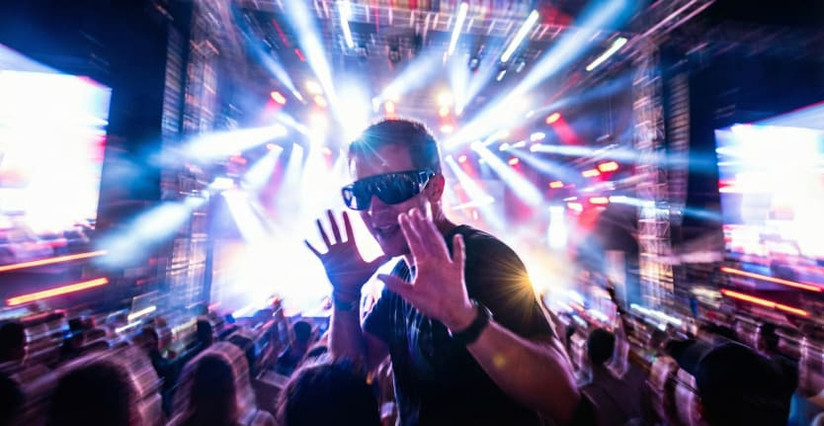
For the average fan, a dynamic light show is part of the thrill. But for a brain with overactive sensory responses, that same spectacle can be a neurological minefield.

It’s not just that the lights are bright—it’s that they are designed to be chaotic. The specific combination of rapid-fire strobing, aggressive color shifting, and extreme dark-to-light contrast forces the brain to process visual data faster than it can handle. While the crowd sees a laser show, your brain registers a threat.

Why the "Wow Factor" Wreaks Havoc:

  • The Seizure Risk: It isn't just anecdotal—it's measurable. Research confirms that the intense strobing found at Electronic Dance Music (EDM) events can significantly spike the risk of photosensitive seizures.1 The danger is amplified by "contrast shock"—the rapid switch from a pitch-black venue to blinding white flashes—which overwhelms the visual cortex.

  • The LED Spectrum: Not all light is created equal. Studies suggest that "cooler" (white-blue) stage lighting causes significantly more glare and discomfort than warmer tones,2 supporting other evidence of the negative impact of LEDs on light sensitivity.

  • The "Invisible" Trigger: Modern concert rigs rely heavily on high-intensity White and Red LEDs. These emitters pump out high-energy blue light, including the blue wavelengths that are known to trigger migraine attacks, photophobia, and other symptoms.3
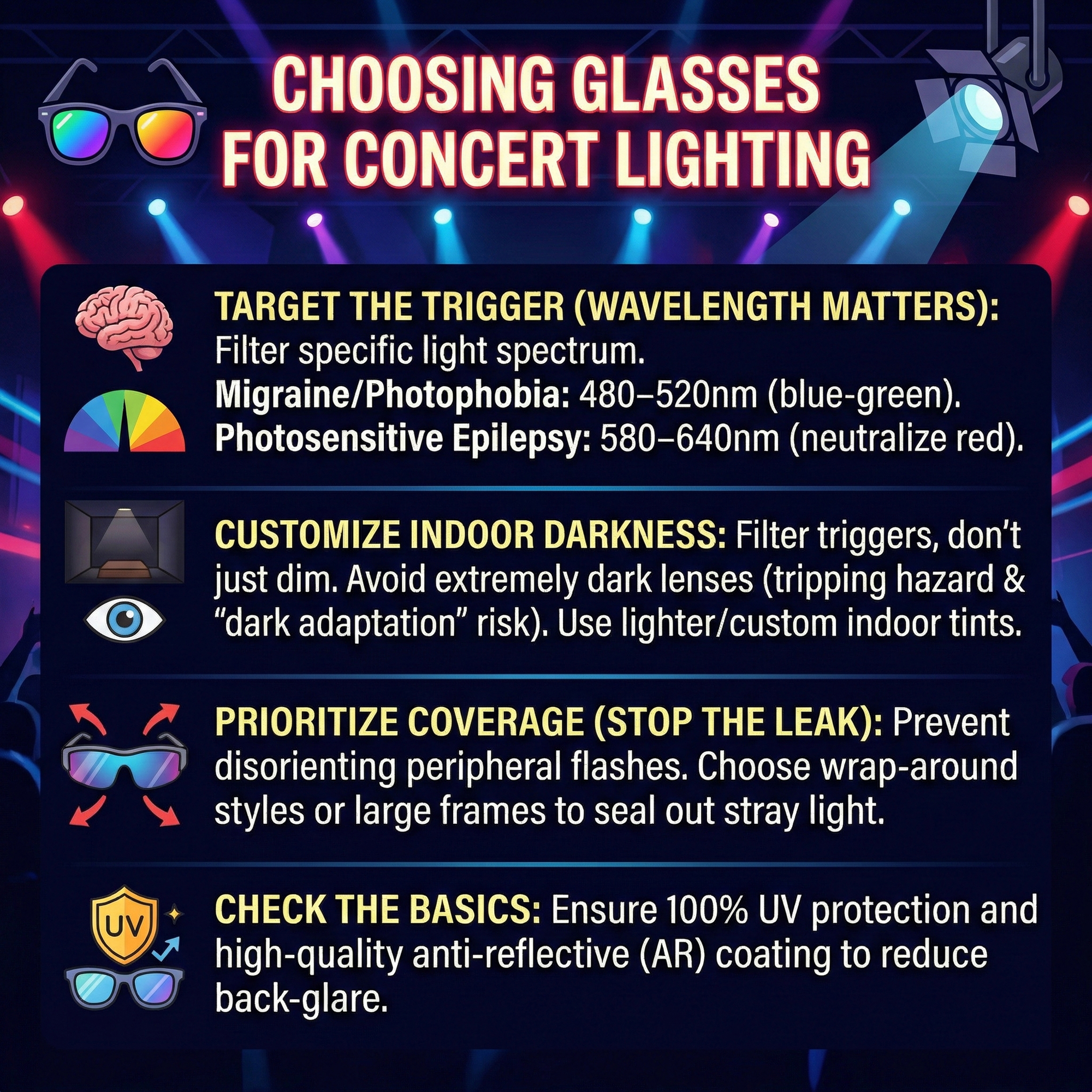
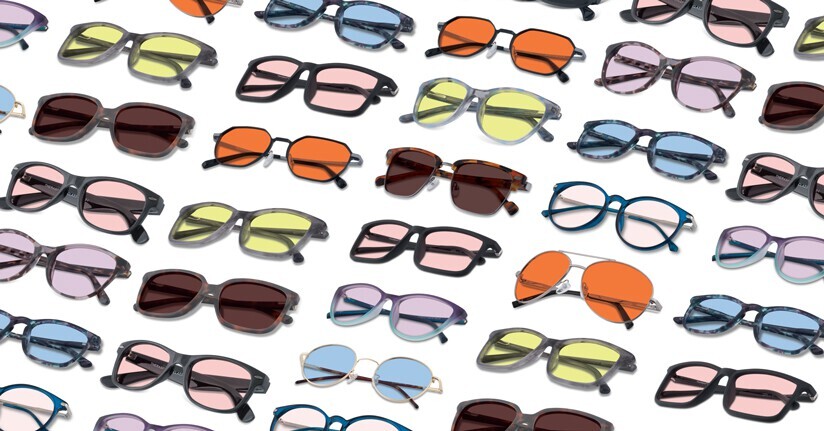
Infographic for choosing the right glasses for concert lighting

Facing these hurdles, it is no surprise that many fans feel they have to choose between the music and their health. This is why standard sunglasses often fall short—to truly combat the chaos, you need protection designed for the spectrum, not just the brightness.

How to Choose the Right Concert Glasses

If you live with light sensitivity or a condition like photosensitive epilepsy, protection isn't just a preference—it's a necessity. While standard outdoor sunglasses are a decent "emergency" option (and a minimum requirement for outdoor festivals), they often lack the precision needed for a dynamic indoor light show.

If you are looking for specialized protection that keeps you safe without ruining the view, here is what to look for:

Target the Trigger (Wavelength Matters): Don't settle for generic "blue blocker" marketing. You need lenses that filter the specific light spectrum that hurts your brain.

For Migraine & Photophobia: Look for lenses that filter the 480–520nm range. This targets the specific blue-green light most likely to trigger pain.

For Photosensitive Epilepsy: Look for lenses that filter the 580–640nm range (often blue-tinted lenses). This helps neutralize the high-intensity red wavelengths that are notorious for provoking seizures.

Customize Your "Indoor" Darkness: The goal is to filter the triggering light, not just dim the world. Extremely dark lenses can be dangerous in a dark venue, creating a tripping hazard in crowded aisles.

The "Dark Adaptation" Risk: Excessively dark glasses can actually force your eyes to dark adapt, making them more sensitive to sudden bright flashes. Look for a brand that offers lighter or custom indoor tints so you can navigate safely.

Prioritize Coverage (Stop the Leak): Stage lights don't just come from the front—they sweep from every angle. Flat frames let light leak in from the top and sides, creating a disorienting strobe effect in your peripheral vision.

The Fix: Choose wraparound styles or large frames that sit close to the face to seal out those stray flashes.

Check the Basics: Ensure any pair you choose offers 100% UV protection and, crucially, a high-quality anti-reflective (AR) coating. Glare from the back of your own lenses can be just as distracting as the stage lights.

Your New Go-To: TheraSpecs Glasses for Concert Lighting

TheraSpecs offers a range of glasses for people looking to stay protected against strobing and flashing lights at concerts. In addition to precision filtering of the most problematic wavelengths depending on your light sensitivity, many lenses are available in different strengths and can be customized with or without prescription or as readers. They also block 100% UV light and feature enhanced coatings for reducing glare and scratches.

Moreover, they have a large catalog of 60+ frame options, including fitovers (if you already wear prescription glasses) and wraparound styles.

See what TheraSpecs customers have shared about their concertgoing experiences with our glasses:
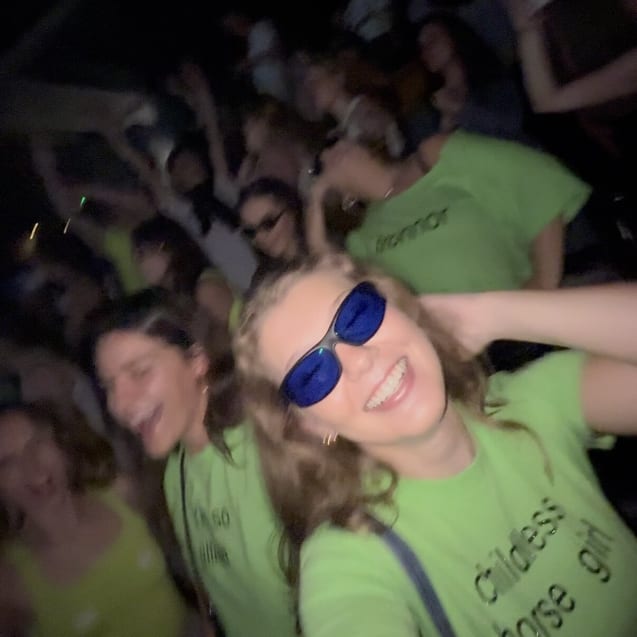
Glasses for Concerts: Real Stories from the Front Row

Faith wearing TheraSpecs Z-Blue glasses in wraparound frame at concert

★★★★★
FINALLY ABLE
"These glasses actually work! I was able to watch the entire Sweat Tour concert...Since my disease onset, I have not been able to enjoy environments with strobe lights and now I am finally able to. 10/10"
-Faith, Massachusetts, USA

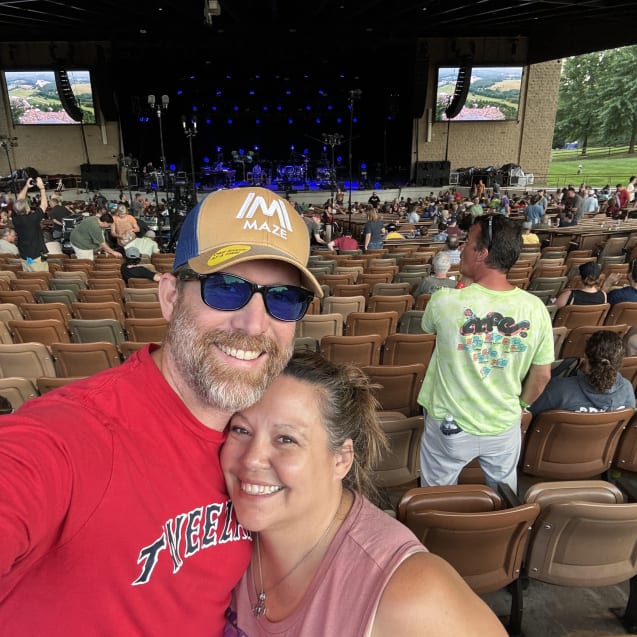
Margaret with partner wearing Z-Blue TheraSpecs in classic frame outdoors for concert lights

★★★★★
FREEDOM!
"They allowed me to be able to participate in activities with my family again. Freedom!" [Pictured above with partner wearing Z-Blue glasses at a concert outdoors]
-Margaret, Massachusetts, USA

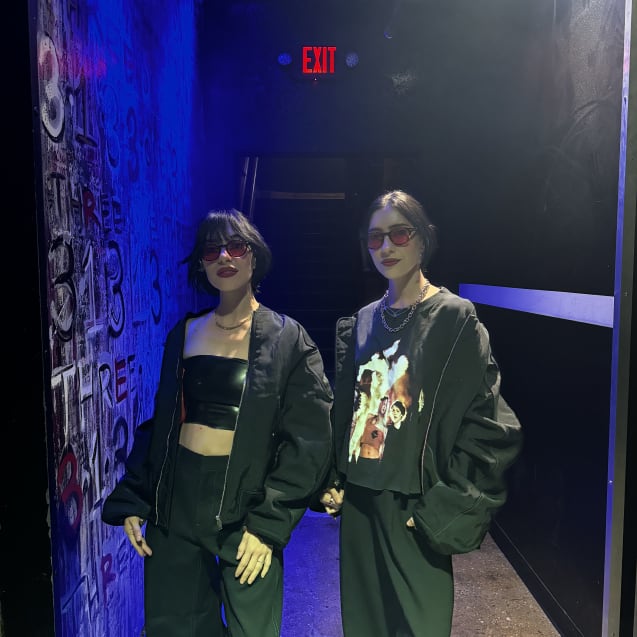
The Veronicas band wearing FL-Pro TheraSpecs during recent concerts

★★★★★
SUCH A STAPLE
"The [Veronicas band] wore TheraSpecs the entire tour and they're such a staple in the household. They actually wore the red light lenses on stage during the performance [in Detroit] as well."
-The Veronicas, USA

The Concert Survival Guide: Tips Beyond The Glasses

While precision-tinted glasses are your first line of defense against stage lighting, creating a truly sensory-friendly experience requires a bit of strategy. Here are the practical steps you can take—before and during the show—to keep your symptoms in check without missing the music.

1. Do Your Recon (Check for Spoilers)
Don’t go in blind. Check the venue or artist website for specific strobe warnings, but take your research a step further. Look up the artist’s recent performances on YouTube or check out reviews from other attendees.

The Benefit: If you know the "big upbeat electronic song" usually has the most intense light show, you can plan to take your bathroom break or close your eyes before the triggers start.

2. Choose Your Spot Wisely
Where you sit dictates how much control you have. While the "pit" or General Admission floor might be exciting, it can be claustrophobic and puts you closest to the strobes.

The Strategy: Aim for an aisle seat, ideally further back or in the upper bowl where the lights are less intense. An aisle seat guarantees you a quick, discreet exit to the concourse if you need a breather, without having to climb over other fans.

3. Use the Buddy System (Teamwork is Critical)
Going to a concert with a trusted friend who understands your condition is a game-changer.

Designate a "Spotter": If a strobe sequence starts and you have to look away or cover your eyes, your friend can watch the stage and tap you on the shoulder when it is safe to look again. This removes the anxiety of "peeking" and getting triggered.

The Abort Signal: Agree on a simple hand signal beforehand that means "I need to leave right now." This allows you to exit quickly without having to explain yourself or shout over the music.

4. Manage "Sensory Stacking"
Sensory overload is cumulative. If your brain is struggling to process 100dB of sound, it has less energy to handle the flashing lights.

The Gear: Wear high-fidelity earplugs to lower the noise volume without muffling the music. You can also wear a brimmed hat, like a baseball cap, which acts as a physical shield against overhead lights that might sneak over your glasses.

5. Master the "Grounding" Technique
If you get caught in a sudden intense light sequence, instinct tells you to squeeze your eyes shut. However, strong strobes can still flash red through your eyelids.

The Move: Instead, look down at your feet or the floor to find a static, non-flashing reference point. "Anchoring" your vision on something still can help reduce disorientation and your stronger symptoms while you wait for the song to change.

6. Scout Your "Safe Space" on Arrival
Anxiety about what might happen can be just as triggering as the lights themselves.

The Pre-Show Prep: As soon as you get through security, find the nearest quiet area—whether that’s a medical tent, a dedicated sensory room (now available at many modern venues), or just a dimmer corner of the lobby. Knowing exactly where to run reduces the panic if an attack starts.

Article continues below

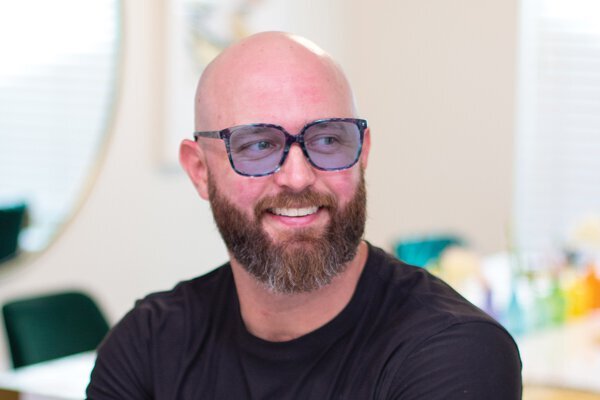
Man wearing Z-Blue Glasses by TheraSpecs

Manage Light Sensitivity with Confidence


For Promoters & Artists: Building a Safer Show

The live music industry is finally waking up to the reality that "sensory-inclusive" doesn't mean "boring." You can deliver a high-octane production without alienating fans with medical vulnerabilities. Here are three high-impact, low-effort changes you can implement immediately.

1. "Surprise" is a Liability—Transparency is Key
The single most dangerous element for a photosensitive fan is the unexpected strobe.

The Fix: Don’t just rely on a generic "Strobe Warning" sign at the door. Include specific sensory icons (e.g., a "high intensity" flash symbol) on your digital set times and social media graphics.

The Pro Move: If a specific song features an intense, sustained strobe sequence (like a "drop"), consider a subtle visual cue on the side screens before it hits, or have the artist give a quick "heads up" on the mic. This 5-second warning allows vulnerable fans to look down or cover up without leaving the room.

2. Designate a "Sensory Decompression" Zone
If a fan gets triggered, they often have two choices: suffer in the lobby or go home. Give them a third option.

The Fix: Partner with the venue to designate a "Quiet Room" or "Calm Corner." This doesn't need to be fancy—it just needs to be a space with dimmable lighting (no fluorescents), significantly lower volume, and water.

The Pro Move: Follow the lead of venues like the Lincoln Center or festivals like Glastonbury as well as artists like Coldplay, who have started to offer "Sensory Bags" (containing noise-canceling headphones and sunglasses) that fans can check out at Guest Services.

3. Train Your Staff to Spot "The Freeze"
Security guards and other venue staff are trained to look for fights or intoxication, but they often misinterpret medical distress.

The Fix: Train front-of-house staff to recognize the signs of sensory overload or a focal seizure, which often looks like "freezing," staring blankly, or confusion—not always a convulsion.

The Pro Move: Establish a "medical exit" protocol. If a fan is overwhelmed, security should know exactly where the quietest, darkest path to the medical tent is, rather than dragging them through a flashing concession hall.


You shouldn't have to view your favorite band through a veil of pain or fear. With the right preparation and the right protective lenses, you can reclaim the front row and lose yourself in the music.

References:

1Salet N, Visser M, Stam C, Smulders YM. Stroboscopic light effects during electronic dance music festivals and photosensitive epilepsy: a cohort study and case report. BMJ Open. 2019;9(6):e023442. Published 2019 Jun 11. doi:10.1136/bmjopen-2018-023442

2Oliveira AP, Ferreira G, Martinez-Perez C. Effects of stage lighting on visual comfort at summer festivals: a study in Portugal. Healthcare. 2024;12(23):2441. doi:10.3390/healthcare12232441

3M. Tatsumoto, T. Eda, T. Ishikawa, M. Ayama, K. Hirata Light of Intrinsically Photosensitive Retinal Ganglion Cell (ipRGC) Causing Migraine Headache Exacerbation. IHC symposium OR3. 2013 June

Greg Bullock, TheraSpecs Author Bio

Greg Bullock is a director at TheraSpecs and a leading author on light sensitivity. His insights have been featured by government agencies, advocacy groups, and other prominent media outlets.

Last updated 10th Feb 2026


TheraSpecs Range of Specialty Lenses for Light Sensitivity

TheraSpecs® Glasses for Light Sensitivity

Find the glasses that fit your needs and lifestyle, and stay protected from screens, fluorescents, unwanted blue light, sunlight, flashing lights, and more.

Shop Now
Secure Shopping

Secure Shopping

60-day return guarantee

60-day return guarantee

Free shipping on US orders

Free shipping on US orders